Tuesday, 28 November 2017

PREGNANT WOMEN WHO SLEEP ON THEIR BACK (FACING UP) RISK OF STILLBIRTHS.

PREGNANT WOMEN WHO ARE IN THEIR LAST TRIMESTER ARE ADVISED TO SLEEP ON THEIR SIDE AND NOT THEIR BACKS TO REDUCE THE RISK OF STILLBIRTHS.

This advice is from a study published in the British Journal of Obstetrics and Gynaecology (BJOG), which said women who sleep on their backs have at least twice the risk of a stillbirth more than those who sleep on their left side.

These findings are based on a Midlands and North of England Stillbirth Study (MiNESS) in the UK.

The research suggests pregnant women who sleep in various positions should try laying on their sides when ready to sleep because most time is spent in the position one goes to sleep in.

Researchers interviewed 291 women who had stillbirths and 733 women who were delivered of healthy kids in 41 UK maternity units.

They found that mothers who slept on their backs had a 2.3 fold increased risk of stillbirth compared to pregnant women who went to sleep on their left-hand side.

Researchers claimed theory is that in late pregnancy, the combined weight of the baby and the womb may compress blood vessels and restrict blood flow and oxygen to the foetus.

The research also found that the link between going-to-sleep position and late stillbirth was not affected by the duration of pregnancy after 28 weeks, the size of the baby, or the mother’s weight.

“We’re pleased we can now give pregnant women a simple message they can act on for a safer pregnancy: if you’re past 28 weeks of pregnancy, it’s safer for your baby if you go to sleep on your side rather than settling to sleep on your back,” Clea Harmer, CEO at Sands, stillbirth and neonatal death charity, said in a statement.

However, mothers of twins or those who had babies with major abnormalities were not included.

Also,  women who visited the toilet once or more every night were also found to have a reduced risk of stillbirth.

Thecablestyle

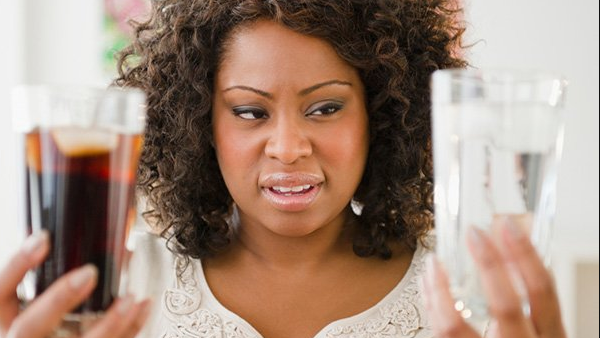
FREQUENT TAKING OF SOFT DRINKS DURING PREGNANCY COULD MAKE YOUR CHILD DIABETIC, STUDY WARNS PREGNANT WOMEN

A new study published in The Journal of Physiology has warned pregnant women and breastfeeding mothers to avoid diets high in fructose-containing sugars as it increases the risk of their kids being obese or diabetic.

Researchers from the University of South Australia gave female rats water supplemented with fructose-containing sugars at an amount equivalent to those in standard soft drinks, before, during and after pregnancy.

After birth, offsprings were weaned by a mother who had access to the same fructose-containing beverage, or by one who had access to water only.

Body weight, fat mass and glucose control in the offspring were measured and tissues were analysed to see the amount and type of fat in their livers.

Offspring from mothers who had a diet high in fructose-containing sugars were found to have a detrimental fat composition in their livers.

This can negatively impact the metabolic health of the offspring, contributing to the development of obesity or type 2 diabetes in the future.

“This study highlights the importance of maternal nutrition during the lactation period. Guidelines for consuming added sugars or sugar-sweetened beverages during pregnancy should consider this,” said Sheridan Gentili, senior lecturer in biological sciences at the University of South Australia, and lead investigator of the study.

“As there are differences in physiology between humans and rodents, we need to be careful when translating this research directly to humans.”

Many kinds of cereal, sugary soft drinks and other processed foods have fructose-containing sugars, including sucrose and high fructose corn syrup (HFCS).

Excess consumption of these sugars is a major contributor to obesity and type 2 diabetes.

Thecablestyle